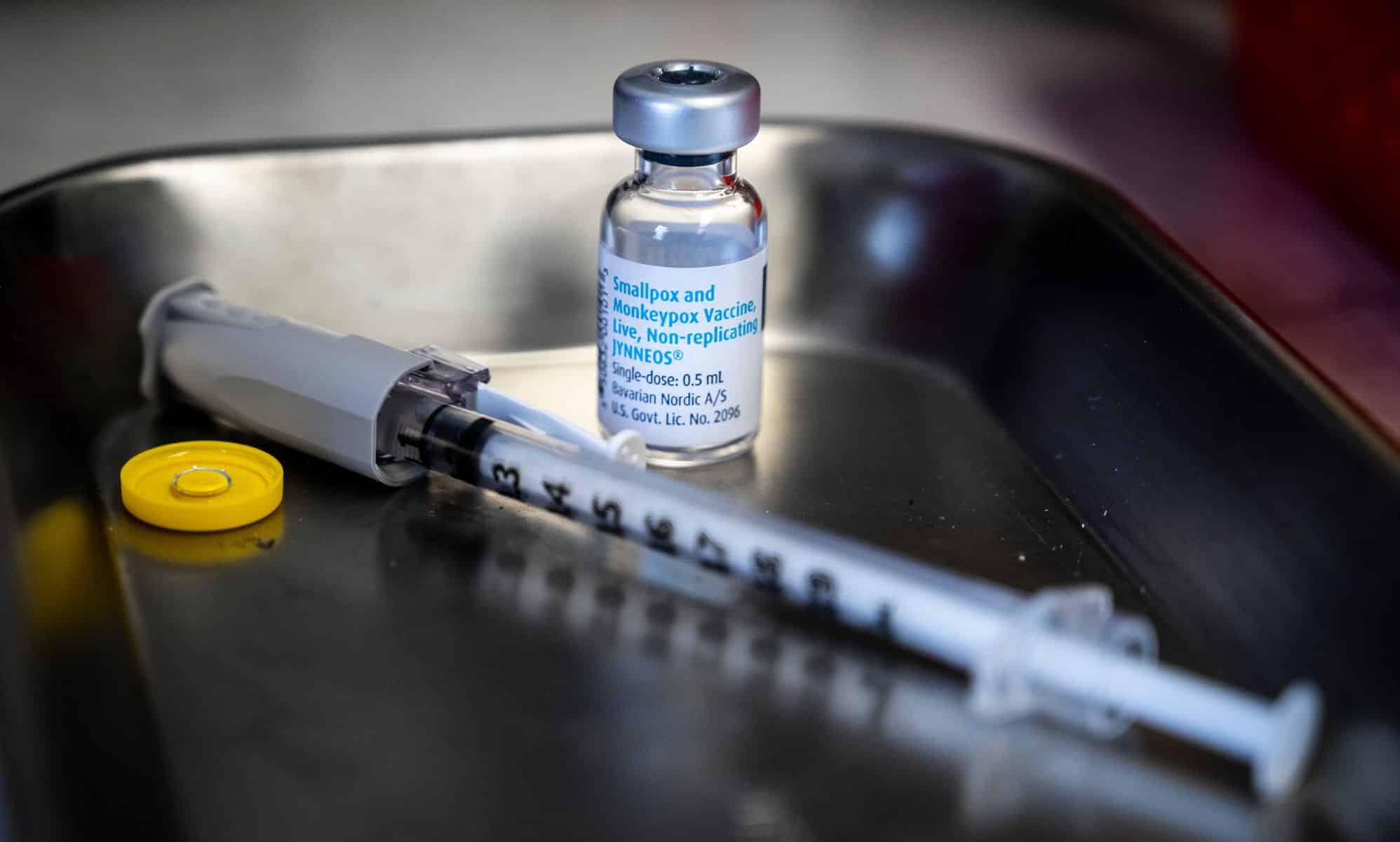
Monkeypox cases globally fell by a fifth in the past week as experts from the World Health Organization (WHO) hope this is a signal that the outbreak could be slowing down in Europe.
More than 46,000 confirmed cases of monkeypox and 12 deaths have been reported from 96 countries to date since the beginning of the current outbreak. WHO declared the growing monkeypox outbreak a global health emergency in July.
However, WHO’s latest epidemiological report found monkeypox cases worldwide dropped by 21 per cent during the week of 15-21 August, but the global health agency acknowledged that these figures “need to be subsequently confirmed”.
WHO director-general Tedros Adhanom Ghebreyesus said the latest figures could be an early signal that cases in Europe are slowly beginning to decline after weeks of rising infections.
“There are signs the outbreak is slowing in Europe, where a combination of effective public health measures, behavior change and vaccination is helping to prevent transmission,” Tedros said .
Still, during the same week, there was a “continuing steep rise” in the number of monkeypox cases reported in the Americas region. The region accounts for 60 per cent of cases in the past four weeks, while the European region made up approximately 39 per cent.
“In Latin America in particular, insufficient awareness or public health measures are combining with a lack of access to vaccines to fan the flames of the outbreak,” Tedros explained.
WHO reported that 23 countries saw an increase in the weekly number of cases with the highest increase reported in the US.
[caption id="attachment_565235" align="alignnone" width="1024"]
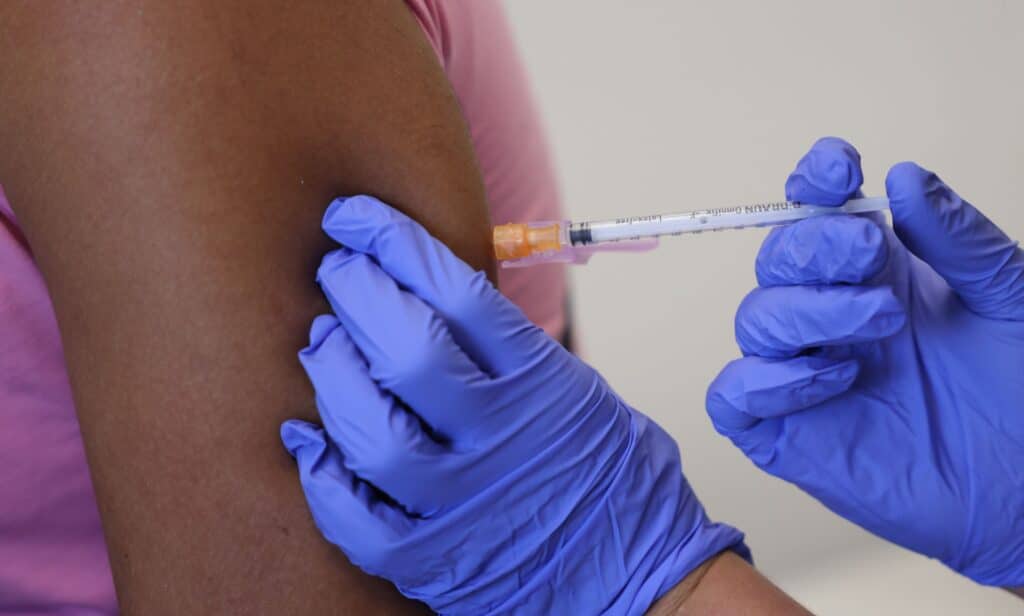
The World Health Organization said monkeypox cases in the Americas region continue to rise. (Getty/Hollie Adams)[/caption]
The Biden administration declared the monkeypox outbreak a public health emergency in August. The White House set aside an extra 50,000 doses of monkeypox vaccines for attendees at upcoming LGBTQ+ Pride events.
Bob Fenton, the White House monkeypox response coordinator, said the “more shots in arms” is how the US will “get the outbreak under control”. He added the vaccine rollout was an effort to “meet people where they are”.
Public health experts emphasised that anyone can get monkeypox and warned against reinforcing “homophobic and racist stereotypes” and exacerbating stigma.
According to the Centers for Disease Control and Prevention (CDC), scientists are still researching if monkeypox can be “spread through semen, vaginal fluids, urine, or feces”.
Health officials know the virus can spread through close, personal – often skin-to-skin – contact. This can include direct contact with monkeypox rash or scabs; touching objects, fabrics and surfaces; and contact with respiratory secretions.
The CDC said direct contact can happen during sexual contact of a person with monkeypox, hugging, massaging, kissing and prolonged face-to-face contact. People should take care to disinfect bedding, towels, fetish gear, sex toys, and other fabrics and objects used during sex.
WHO noted that two countries – Iran and Indonesia – reported their first case of monkeypox in the past week. Cuba also reported its first confirmed monkeypox case on Saturday (20 August), after a tourist from Italy tested positive for the virus.

Queer News. Straight Up.
The LGBTQ+ stories you don't want to miss, delivered to your inbox daily.